

Where Farm House comes from
The vision for Farm House first took shape, in its most nascent form, in 2017. But the story it belongs to began a long time before that, and to tell it properly you have to go back well past the barn, to a name on an old map.
Farm House is not a name we invented. From 1834 to 1858 there was a settlement by that name a few miles south, where a millwright named Hiram Trammell began a stone dam across a creek and Isham Teasley finished it and raised a gristmill, a cotton gin, a store and a post office. The post office put the two words on the first maps of this country. When the new county needed a seat, the name moved to the new town and became Alpharetta.
The family’s roots here go back nearly as far. A Baptist preacher named Richard Phillips came into the county around 1835, and his people stayed. The line runs down through the names on the old stones: Richard Phillips to his son Lewis Berry Phillips; to his daughter Evelyn Clementine, who married John Lafayette Samples; to their son George Presley Samples, who married Fannie Odessa Day; to their daughter Margaret, who married Mack Martin; to Margaret and Mack’s children.
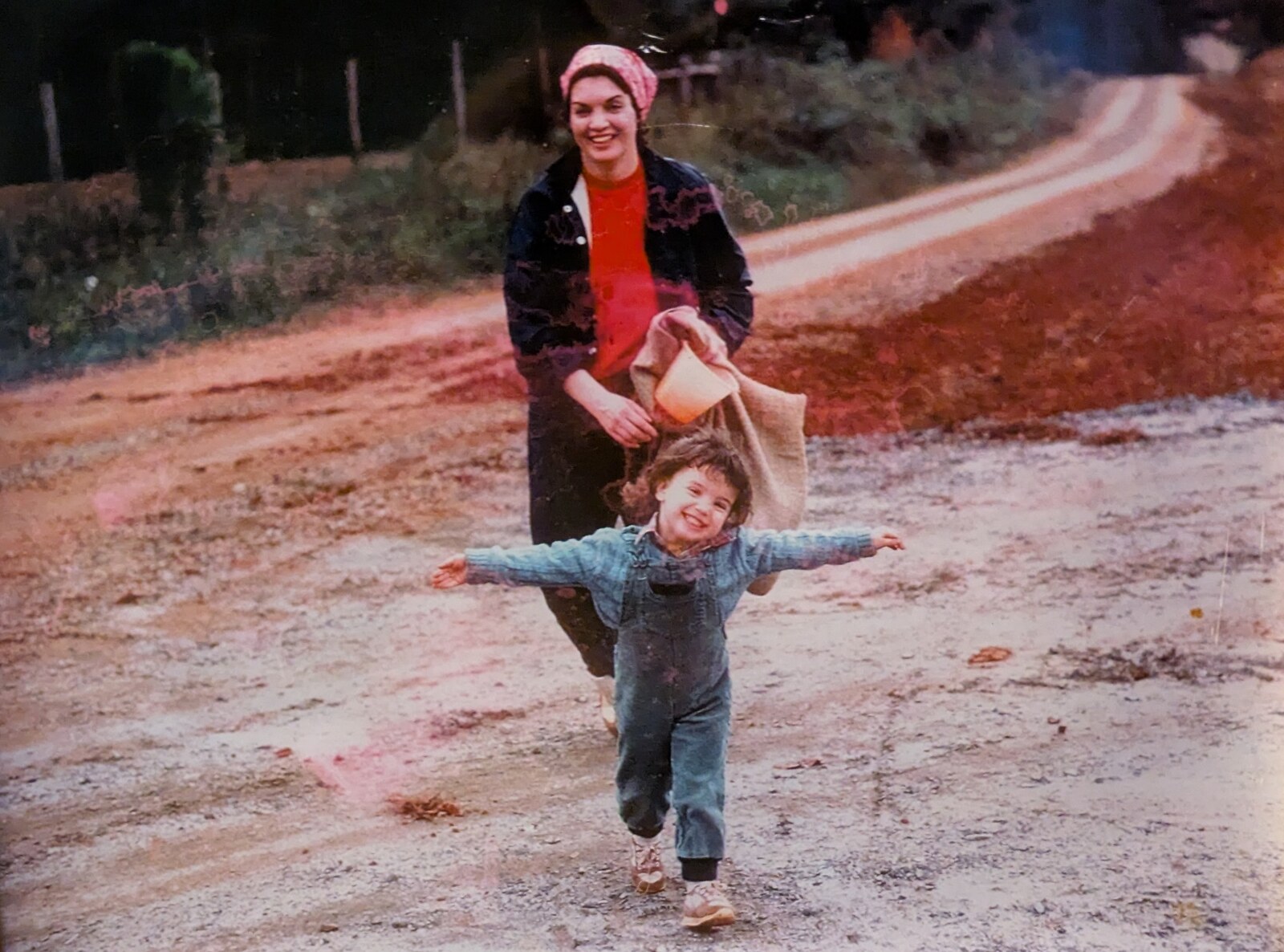
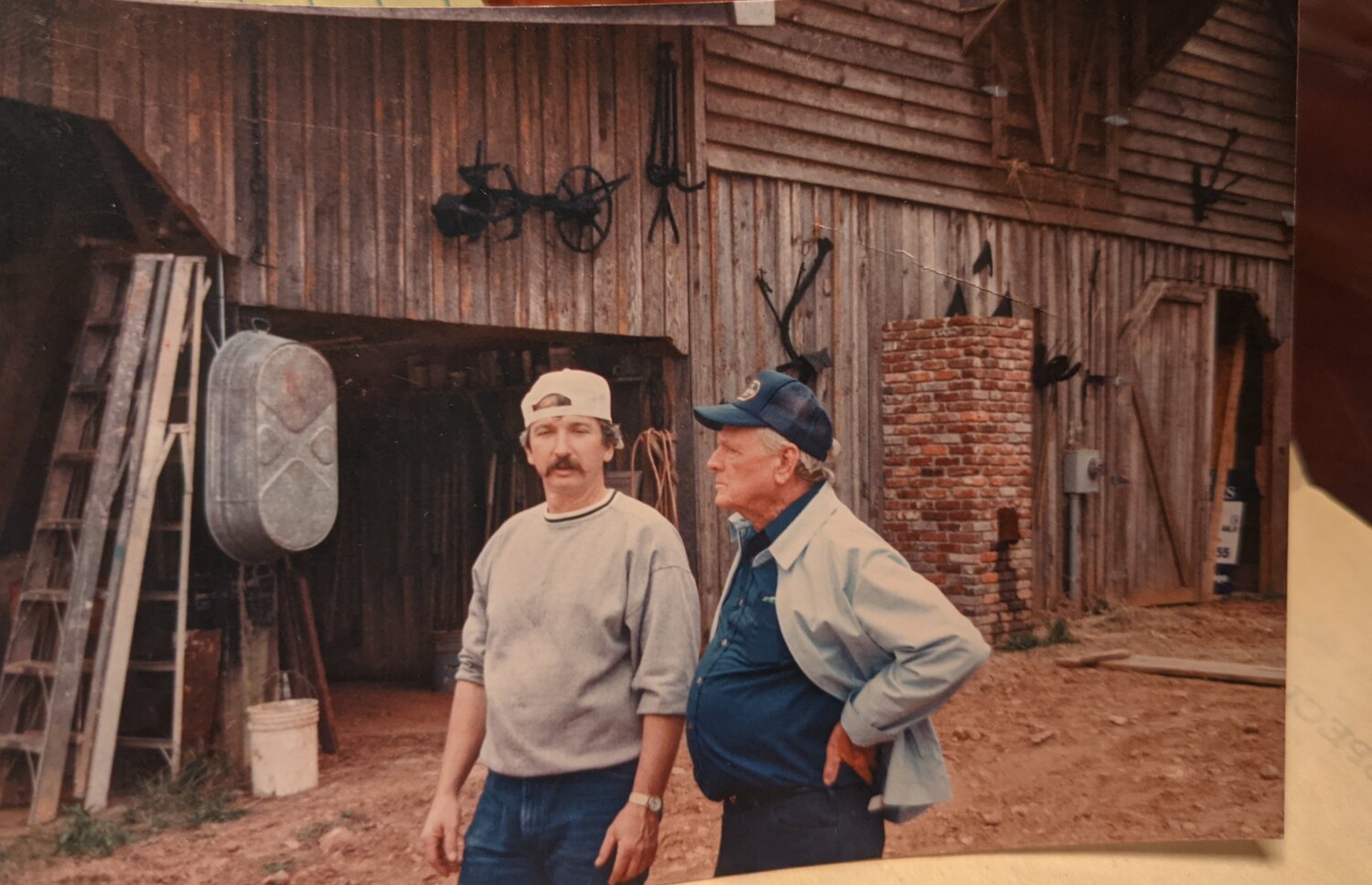
Margaret and Mack Martin bought this tract meaning to live on it. Mack died young and the plans died with him, and the women of the family held the land anyway. It was Margaret and Mack’s daughter and son-in-law who finally built on it. In the 1980s they raised the barn, and raised it well: timber and board, a cupola, a weathervane, a tack room with a porch. They started a house beside it and never finished it; it stood framed and open to the weather for forty years, until teenagers from one of the new subdivisions set it on fire in 2023. The barn is still standing.
Alpharetta is building a heritage park at the old settlement site now, and we are glad of it. It is a historic slice of the city’s past, a place to stand and look back at where all of this began. Farm House looks the other way. We are not marking something that is finished; we are making something in the present, on ground that is still open.

An industrial park, and the opposition to it
On this stretch of Georgia 400 near Alpharetta sits one of the last pieces of ground nobody has built on: a stretch of woods and field gone over to brush, a pond, an old barn, deer in the evening. It is under contract. The plan is an industrial park.
The neighbors did not take it quietly. More than eight hundred of them signed a petition against the rezoning, people who live around the property and have watched this county fill in road by road and decided this was the piece worth standing on. That petition is theirs, not ours. We represent the family that owns the land, and we read those eight hundred names as the plainest proof that an industrial park is the wrong future for this corner.
Because an industrial park is close to forever. Once the slab is poured and the trucks start, no amount of money buys the field back. You cannot un-pave a place.
Privately held, and open to all
The land is not changing hands. It stays privately held, as it has been since Margaret and Mack Martin bought it, and the Fisher & Farmer Foundation is there to carry the next chapter, which is not an industrial park. That is the first thing, and the urgent thing. Everything good comes after it.
This is not a park today. It is an overgrown property that has sat quiet and untended for years, the woods closing in, the barn weathering, the burned frame of a house still on it.
So the first phase is beautification. Clear what has grown over the place, cut the first pathways, open the views back up, bring the grounds and the barn back to something lovely and safe to walk. A piece of ground held this long and let go this far has to be made beautiful before it can be made public.
Made beautiful first, and then made public.
It stays in private hands on purpose. Down in Charleston, Ben Navarro took a parking lot on King Street and spent about eleven million dollars turning it into a garden, American Gardens, open to anyone who walks up, no gate and no ticket, kept his to tend rather than handed to the city. The reason is plain. A place somebody owns and keeps stays good; a place everybody owns and nobody tends goes back to brush, or to pavement. Milton, right next door, learned the same thing and started buying its open land outright.
There is an old Woody Guthrie verse about a sign that read Private Property, and the man who looked at the blank back of it and decided that side, at least, was made for you and me. That is the whole idea here: privately held, and on the other side of the sign, a greenspace open to all.